How to Develop an Iterative Learning Design Process
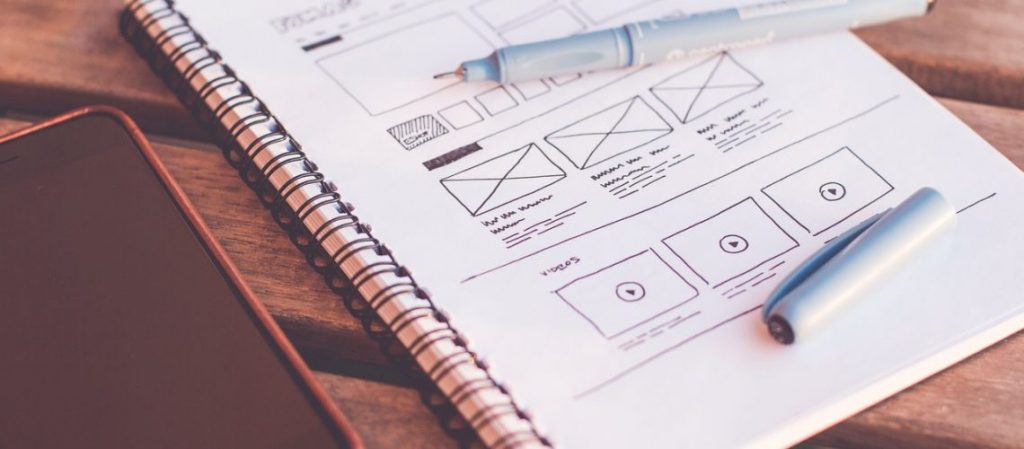
If you’ve been feeling the push to ditch more traditional models like ADDIE for a while now, it’s no surprise. Many traditional instructional design processes are no longer serving their purpose – at least not in the way they are usually used. As L&D teams find it increasingly challenging to keep up with the speed […]
The New L&D Gameplan: How to Safeguard Against Uncertainty in Uncertain Times
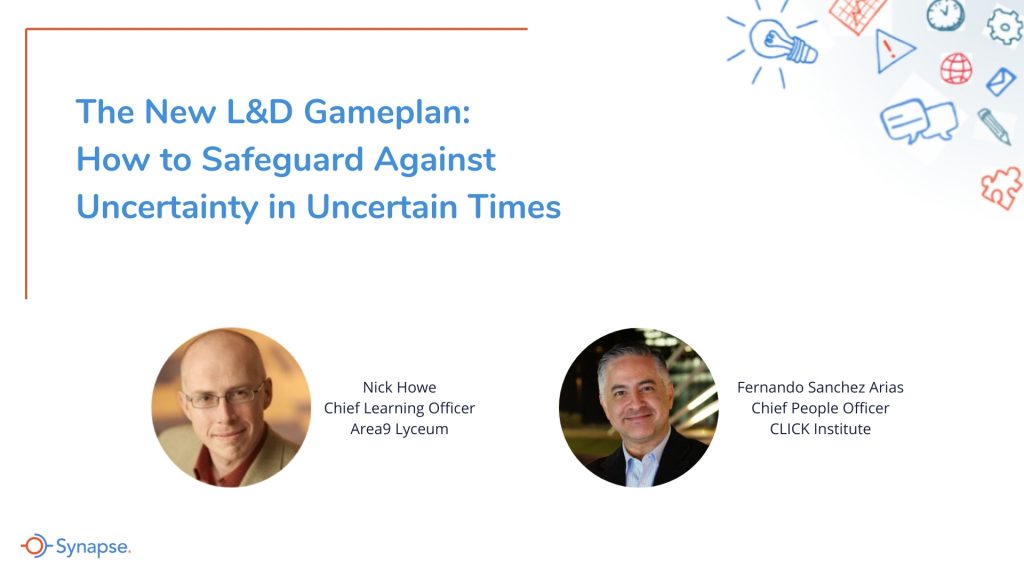
During a panel discussion with Nick Howe, Chief Learning Officer at Area9 Lyceum, and Fernando Sanchez-Arias, Chief People Officer at CLICK Institute, we gathered valuable insight and actionable tips on how to navigate the future for L&D. Discussion points included what COVID-19 and all the disruption of the last few months means for L&D, why […]
What is Learning Agility and How is it Different to Agile Learning?

The need to keep up with increasingly dynamic market forces means organizations must find ways to kickstart a higher pace and keep up with change. That’s why practices such as Agile, a method of working and collaborating that was initially designed for software development, has been seeping into multiple business functions in recent years. Learning […]
What is adaptive learning?
Adaptive learning is the concept of using technology to create personalized learning experiences in an online environment. Although it has been a topic of discussion in learning and development for some time, it has been finding greater success in the corporate training environment recently as more tools and technology have been developed to facilitate the […]
What is Design Thinking?
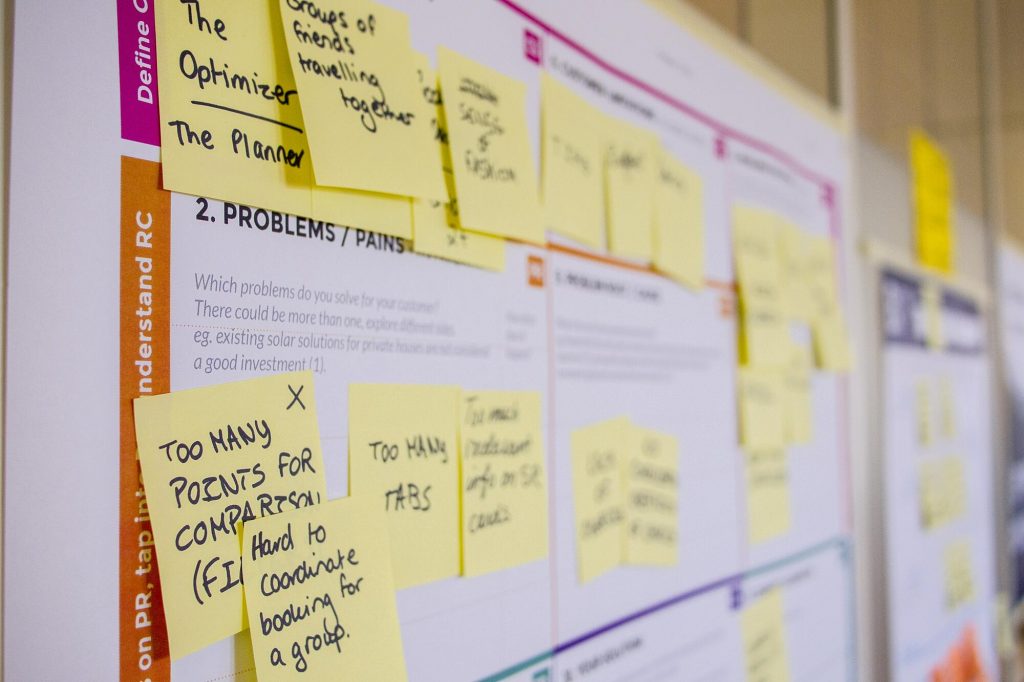
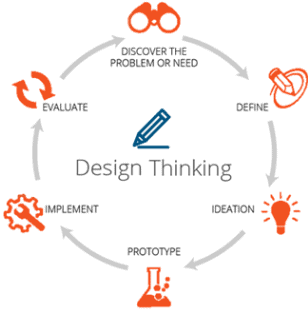
Design thinking is a process that focuses on the user, challenges assumptions, and redefines problems in an attempt to identify alternative strategies and solutions that might not be instantly apparent with an initial level of understanding. It is a way of thinking and working, and a collection of hands-on methods. The Five Phases of Design […]
Why It’s Now All About Learning Experience

Deloitte’s 2016 Global Human Capital Trends report boldly advises HR to adopt design thinking, placing the employee experience at the center. With an intended goal of simplifying the complex, design thinking is a way of thinking and working as well as a collection of hands-on methods. Design thinking is empathetic and iterative — two key traits […]
The Need for a Knowledge Management Repository

Knowledge is everywhere you look. Every employee has something valuable to contribute to the organization. Whether it be a new business idea, a new process for fixing a broken one, or valuable advice on how to work with a particular client, this knowledge should be captured and analyzed. Further, if this knowledge can result in […]
Is Instructional Design relevant in a world of Learning Experiences?
There is a huge transformation underway in the Learning & Development world. The old rules of how to measure the effectiveness of learning have changed. It’s no longer the L&D department defining the rules; it’s about the learner deciding what is effective. Business functions drive the experience. Mobile and social are what learners want. So […]
Analyze Is the First Step in Great Learning Design

Whether you are a strict adherent to the ADDIE training model or you have a barely passing familiarity with the Grand Old Dame of instructional design, there is a reason that all great training starts with the “A” or “analysis”. Without a needs analysis, you don’t know where you are going. A training needs analysis […]
Not So Fast Learning Designers! The Rumors of ADDIE’s Death Are Premature
Instructional designers have been hearing for years that “ADDIE is dead.” Do “this” or “that” instead. I would be the first to admit that maybe a shortcut here or there is called for under certain circumstances. I have taken many of those shortcuts myself. But if you are serious about creating learning that gets results, […]